
Year-round climate
Average highs in the 80s°F, trade-wind breezes, and a sun that actually shows up in January.

Lifestyle
Warm mornings, cold drinks, music you feel before you hear it, and a pace that finally lets you breathe. Here's what daily life actually looks like — and the best things to fill it with.
Why retirees, remote workers, and returning diaspora keep picking the region.
Average highs in the 80s°F, trade-wind breezes, and a sun that actually shows up in January.

Markets, local rum, and rent in many islands run a fraction of equivalent US, UK, or Canadian cities.

Jamaica, Barbados, Bahamas, T&T, Cayman, Belize, TCI — English is the working language. Easy landing for the diaspora.

Private hospitals in Kingston, Bridgetown, Santo Domingo, and San Juan; growing dental and wellness tourism sector.

Returning residents programs, church networks, alumni associations, and tight neighborhoods that still look out for each other.

Daily nonstops from MIA, JFK, ATL, YYZ, LGW. You're closer to family than most US-to-US flights.
An ordinary Tuesday on the north coast.

Beach walk before the sun gets serious.

Saltfish, ackee, fresh juice on the veranda.

Market run — scotch bonnet, mango, snapper off the boat.

Work-from-veranda, fan on, sea in the distance.

Sundowner. Rum, ginger beer, a slice of lime.

Live music, jerk smoke in the air, neighbors who became friends.
Climate
Most of the region runs on two seasons: dry (Dec–Apr) and wet (May–Nov), with a hurricane window stacked inside the wet half. Locals don't disappear in summer — they just plan around the radar.
Trade winds, low humidity, daytime highs in the low 80s°F. Best months to land and house-hunt.
Short afternoon rains; flights and rentals cheaper. Skies clear fast.
Higher humidity, festivals in full swing (Sumfest, Crop Over, Carnival in T&T's offshoot weekends).
Statistical peak of the Atlantic season. ABC islands (Aruba, Bonaire, Curaçao) and Trinidad sit outside the main belt.
Storms fade, water still warm, beaches empty before the December rush.


Geography matters more than averages. Where you land changes what the climate actually feels like.
Mountains create wet windward / dry leeward sides. Hurricane corridor — pick a south or west coast for slightly less exposure.
Smaller islands, steady trades. Northern islands see more storms; southern islands (Grenada, St. Vincent) sit on the edge.
South of the hurricane belt. Dry, desert-like, near-perfect weather year-round. The hedge against storm anxiety.
Tropical with a real rainy season May–Nov. Highland towns (Boquete, San Ignacio) stay cool year-round.
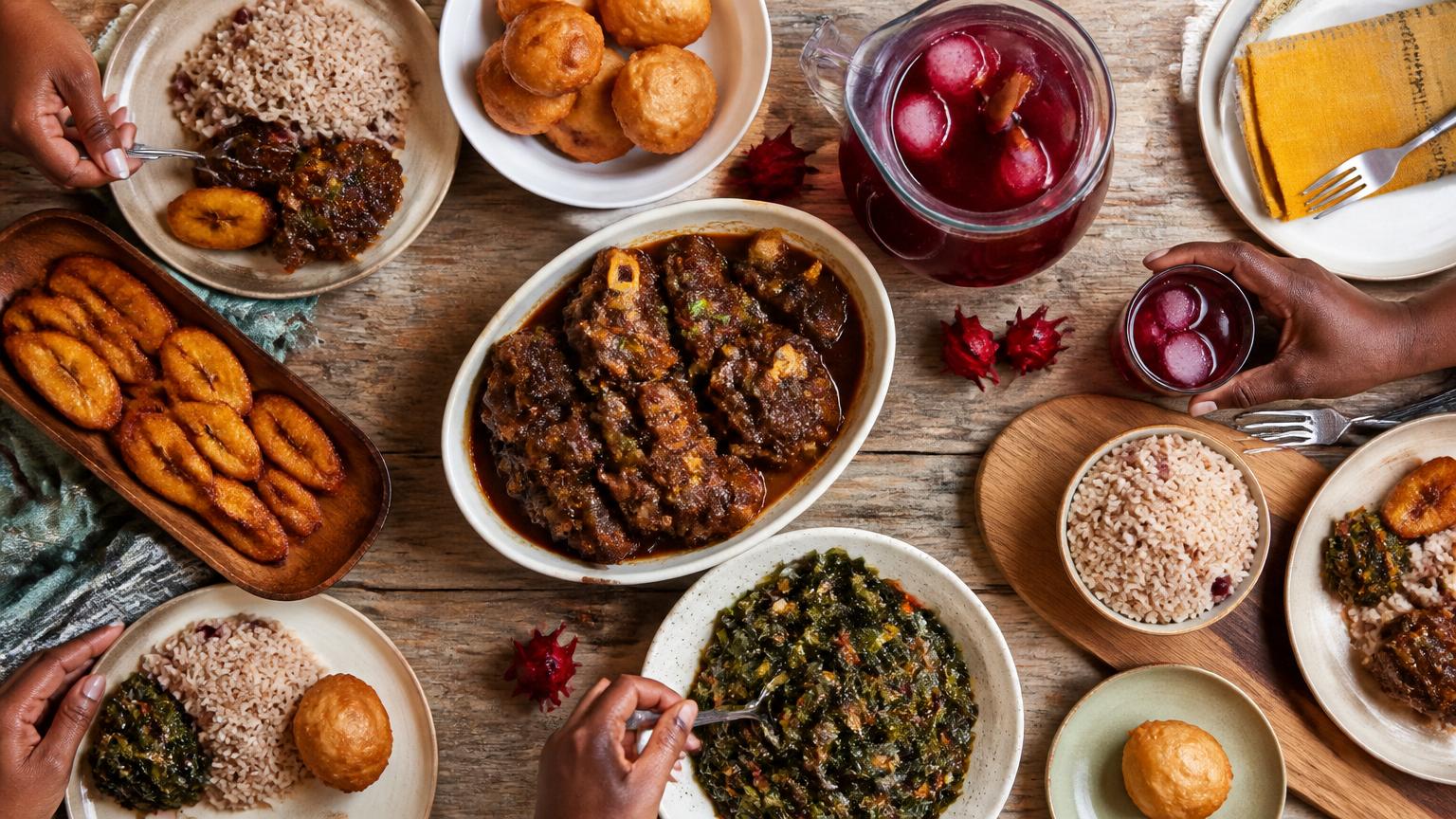
Life moves around food, church, sport and the corner shop. Returnees often say the hardest thing isn't slowing down — it's accepting that other people aren't in a hurry either.
Skip to what you like.
Pick your shade of blue.

Above sea level, the region surprises people.

Eat like a local; sip like a tourist on day one.
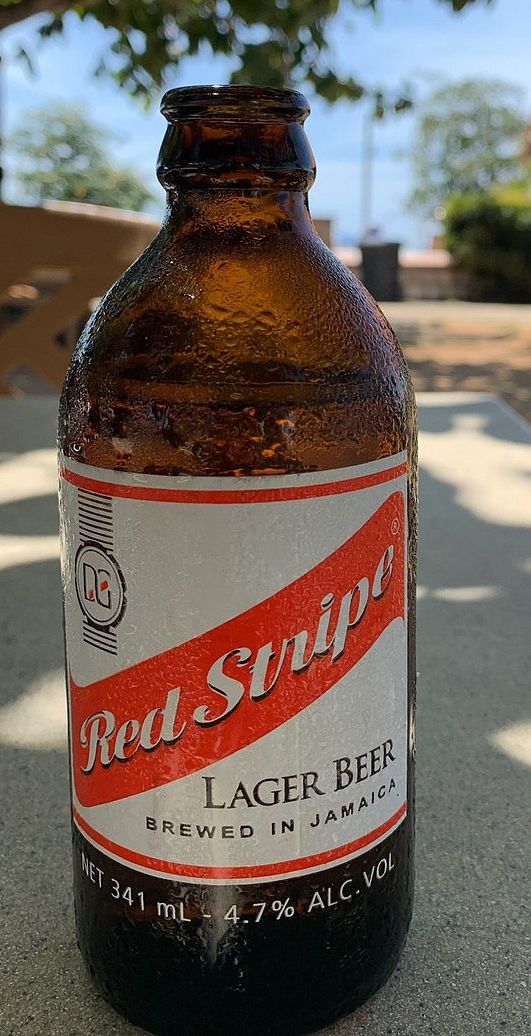
The soundtrack changes every island.

Stories you won't find in a guidebook intro.

Plan a year around them.

The Caribbean was doing slow living before it had a name.
Neighborhoods that retirees and the returning diaspora actually settle in.


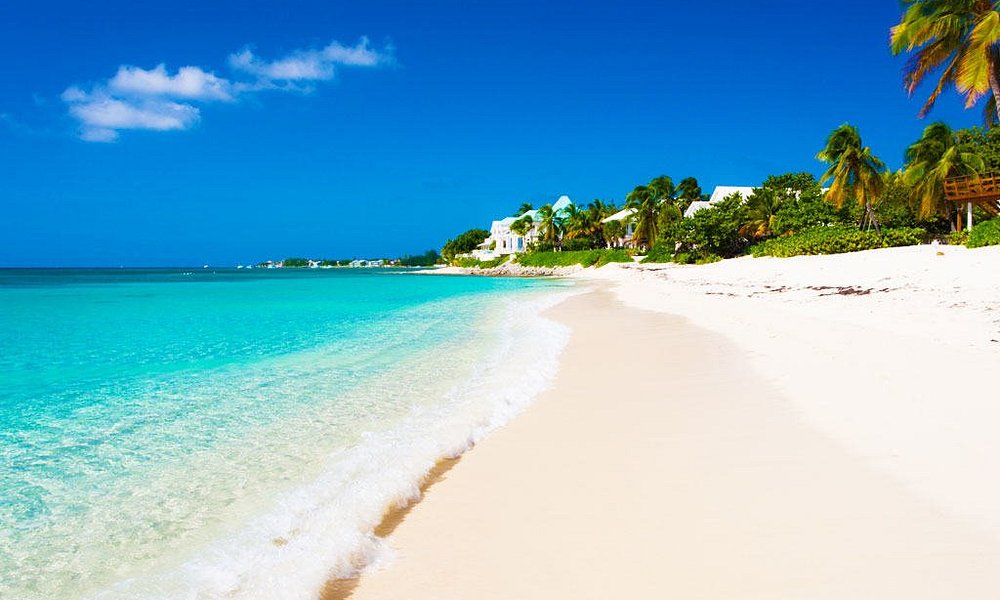


If you want the comfort of an existing community — doctors who already know returnees, grocers stocking ackee and saltfish, churches with diaspora congregations — start here.

Returning-resident heartland — cool hills, churches, strong diaspora networks.
West Coast strip with cafés, beach clubs and a long-established British and Canadian retiree set.
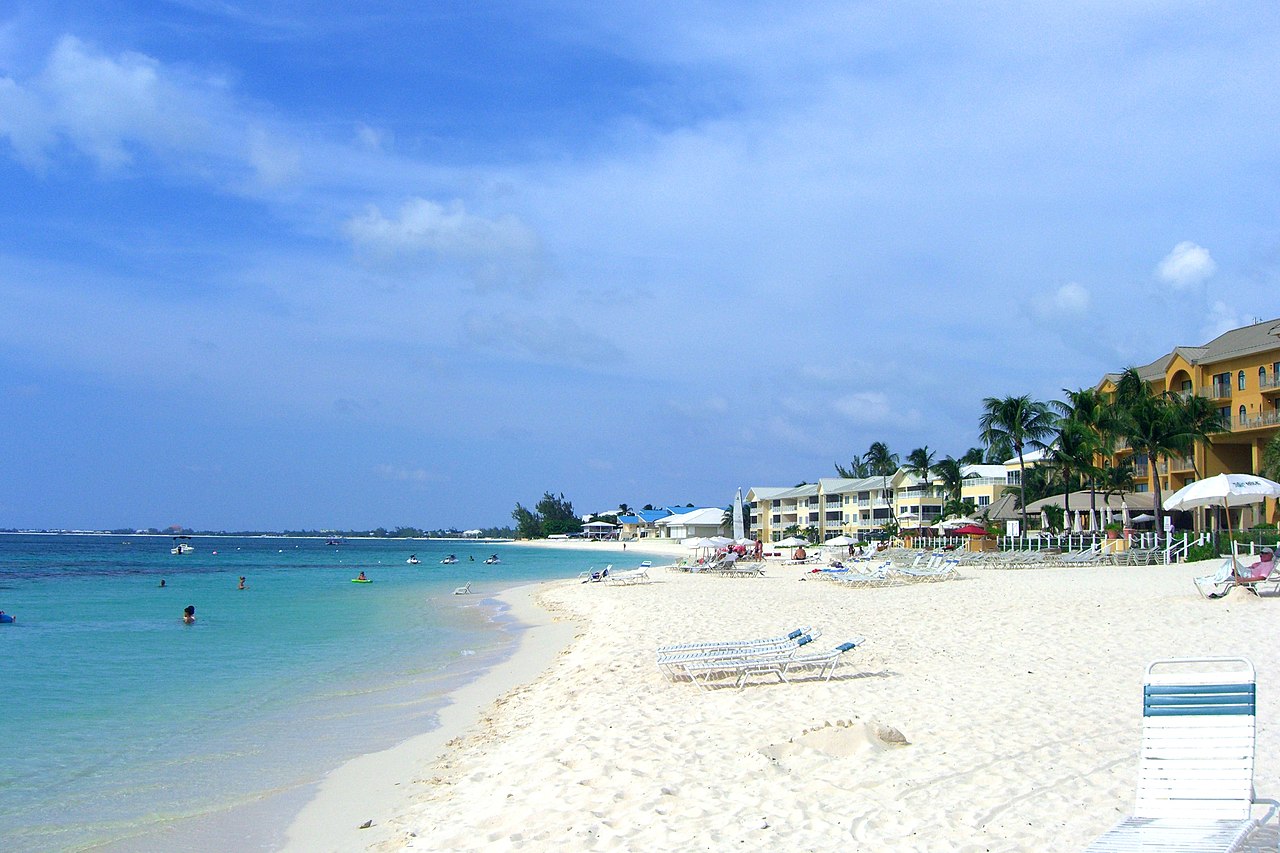
High-end condos within walking distance of the beach, Camana Bay shops, and the hospital.

Surf and kite town with a multilingual returnee and European retiree mix.
Golf-cart island life, US dollars accepted everywhere, big Canadian and American expat presence.

Year-round spring weather, coffee farms, and the largest organised North-American retiree community in the region.

Read the daily Caribbean news feed, the weekly Top 10, and our retirement & investment columns.
Editorial guide — verify event dates and venue details with official organizers before traveling.